

Blocked Drains in Adelaide: The Short Answer
Blocked drains Adelaide homeowners deal with almost always come down to one of five things: tree roots, fat and grease, wipes and sanitary products, hair and soap scum, or soil and debris washing into old pipes. The good news is that most blockages can be cleared the same day once a plumber knows what is causing it. If your sink is gurgling, your shower is slow or your toilet is backing up right now, this guide explains what is going on and what to do next.
At SOS Plumbing & Gas, we clear blocked drains across every Adelaide suburb, 24 hours a day. Below, our local team answers the questions we hear most, from whether tree roots can really crack your pipes to what it actually costs to get a drain flowing again.
Got water rising right now? Stop using the affected fixture, turn off the water if a toilet is overflowing, and call a blocked drain plumber on 1300 307 498.
What Are the Most Common Causes of Blocked Drains in Adelaide Homes?
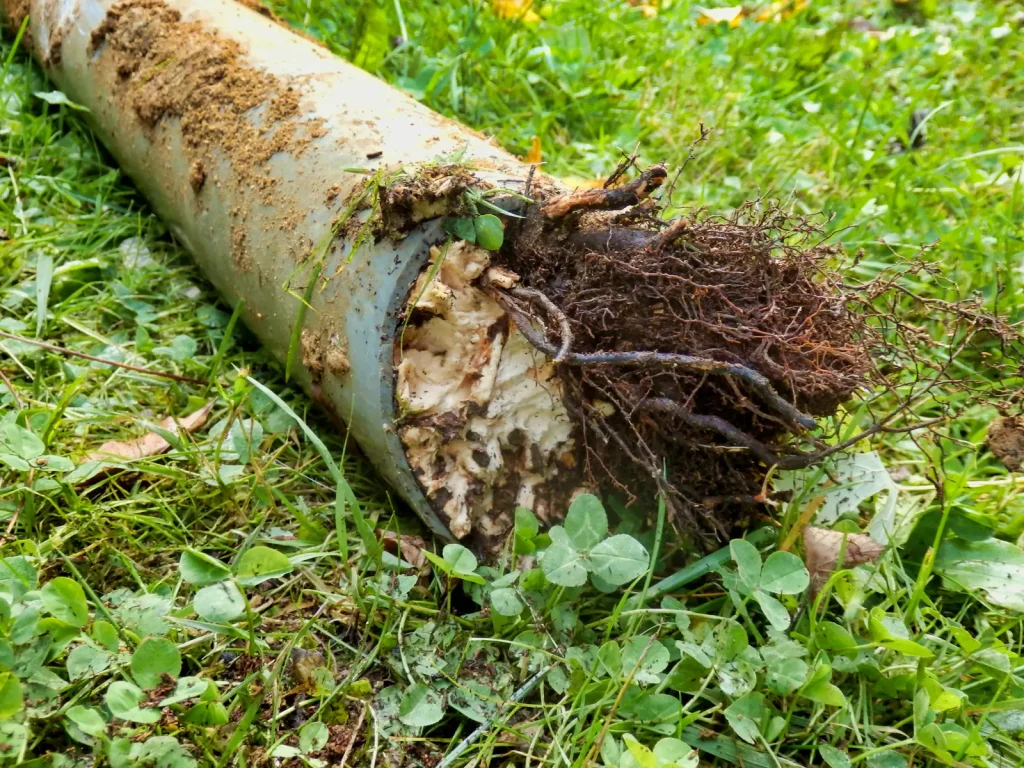
Tree roots are the number one cause of blocked drains in Adelaide. SA Water recorded more than 30,000 tree root intrusions across its network in 2020, close to 60% of all sewer failures that year (Inside Local Government). The rest usually comes down to what goes down the drain, and how old the pipes are.
| Cause | Where it usually shows up | Why it is common in Adelaide |
|---|---|---|
| Tree roots | Toilet, outside gully, whole-house sewer | Established suburbs have older clay pipes with joints roots can slip into, and Adelaide’s dry summers send roots hunting for water |
| Wet wipes and sanitary products | Toilet and main sewer line | “Flushable” wipes do not break down like toilet paper; SA Water has pulled around 200 kg of wipes from a single Adelaide sewer section (Pump Industry) |
| Fat, oil and grease | Kitchen sink | Liquid fat sets hard as it cools in the pipe and traps food scraps |
| Hair and soap scum | Shower, bath and basin | Hair binds with soap residue into a thick plug just below the grate |
| Leaves, silt and debris | Stormwater drains, downpipes, outdoor grates | Autumn leaf drop and heavy winter downpours wash debris into stormwater lines |
| Shifting soil and pipe damage | Anywhere underground | Many Adelaide suburbs sit on reactive clay that swells when wet and shrinks when dry, which can crack, dip or misalign pipes |
| Foreign objects | Toilet and basin | Toys, cotton buds, dental floss and cat litter all catch and build up |
If the same drain keeps blocking, it is rarely bad luck. Repeat blockages usually point to roots, a cracked pipe or a sag in the line, which is where a CCTV drain inspection earns its keep.
How Can I Tell If I Have a Blocked Drain Before It Gets Worse?
A drain almost always warns you before it fully blocks. Catching it at the slow stage means a quicker, cheaper fix.
Watch for these early signs:
- Slow draining water in the sink, shower or bath that gets a little worse each week.
- Gurgling sounds from the plughole or toilet when another fixture drains. That is trapped air being pushed past a partial blockage.
- Bad smells coming up from drains, especially a sewage smell outside near the gully trap.
- The toilet water level rising higher than normal after a flush, or dropping slowly afterwards.
- Water bubbling up in the shower when you flush the toilet or run the washing machine.
- An overflowing gully trap (the grated pipe outside near your laundry or kitchen), which often signals a blockage further down the main line.
- Soggy patches or lush green grass along the line of your sewer pipe, which can mean a cracked pipe leaking underground.
One fixture slow usually means a local blockage close to that drain. Several fixtures slow at once, or problems in both the toilet and shower, usually means the main sewer line is blocked and you need a blocked drains plumber, not a plunger.
Can Tree Roots Really Block My Drain Pipes?
Yes, and in Adelaide they are the biggest culprit. SA Water has described thirsty tree roots as the leading cause of sewer blockages across its South Australian network, with foothills suburbs and homes near natural spaces hit hardest (Pump Industry).
Here is how it happens:
- Roots find moisture. Sewer and stormwater pipes carry water and give off condensation, which fine hair roots seek out.
- They get in through weak points. Older clay and earthenware pipes have joints every metre or so. A tiny gap or hairline crack is enough.
- They grow inside the pipe. Once in, roots feed on the nutrients and spread into a dense mat that catches paper, wipes and waste.
- The pipe cracks or collapses. Over time, root growth can split joints, crack pipes and push sections out of alignment.
Trees to watch: University of South Australia researchers name eucalyptus, poplars, willows, jacarandas and desert ash as particularly aggressive root growers (Inside Local Government). If one of these is within a few metres of your sewer line, roots are a real risk.
Cutting roots alone is a short-term fix. The same researchers note that roots often grow back, sometimes more aggressively, after being cut. That is why we use CCTV to check the pipe after clearing, then recommend pipe relining or a section repair if the pipe is damaged, so the roots have no way back in.
Planting something new? SA Water’s Healthy Pipes online tool can help you pick the right tree for the right spot on your property.
Is It Safe to Use Chemical Drain Cleaners From the Supermarket?
Occasionally, on a minor sink clog, but they are rarely the fix they promise to be. Most supermarket drain cleaners rely on caustic soda (sodium hydroxide), bleach or acid, and they come with real downsides.
- They do nothing for roots, wipes or broken pipes. Chemicals only work on soft organic gunk near the plughole. If the blockage is 10 metres down the line, the product just sits in the pipe.
- They can damage your pipes. The reaction gives off heat that can soften PVC, and caustic chemicals can corrode older metal pipes and fittings.
- They are dangerous to handle. Splashback can burn skin and eyes, and mixing two products (or a product with bleach) can release toxic fumes or erupt out of the drain.
- They put your plumber at risk. A drain full of standing caustic water is hazardous to open. Always tell your plumber what you have already poured in.
- They harm the environment. Whatever goes down your drain ends up in the wastewater system.
Safer things to try first: a plunger, removing and cleaning the shower or basin trap, or a drain snake from the hardware store. For regular kitchen and bathroom maintenance, enzyme-based cleaners break down organic build-up slowly without heat or corrosion.
If a chemical gets on your skin, in your eyes or is swallowed, call the Poisons Information Centre on 13 11 26, available from anywhere in Australia.
What Happens If a Blocked Drain Is Left Untreated?
A partial blockage does not stay partial. Waste keeps catching on the obstruction until the pipe closes off completely, usually at the worst possible time.
Left alone, a blocked drain can lead to:
- Sewage backing up into your home, through the shower, floor waste or toilet. This is a health hazard that can carry bacteria and needs professional cleaning.
- Overflows in the yard, with raw sewage spilling from the gully trap or inspection points.
- Cracked and collapsed pipes. Pressure builds behind the blockage, and roots keep growing. Research on tree root intrusion links it to structural pipe damage and wastewater leaking out into the surrounding soil (MDPI Sustainability).
- Damage to your home. Water leaking from a broken pipe can soften the ground under paths and slabs, and on Adelaide’s reactive clay that can add to cracking.
- Pests and odours. Stagnant water and waste attract cockroaches, rats and flies.
- A much bigger bill. A blockage cleared early is usually a quick, single-visit job. A collapsed pipe can mean excavation, relining or replacement.
It is also worth checking your home insurance. Many policies treat gradual damage from a known, ignored problem differently from a sudden event, so acting early can matter for a claim.
How Do Plumbers Actually Unblock a Drain?
A good blocked drain plumber does not just push the blockage further down the pipe. The job follows a simple process:
- Ask and assess. Which fixtures are affected, how long it has been slow, and whether anything has been poured in.
- Find the access point. Usually the inspection opening, gully trap or the fixture itself, so the line can be worked on without lifting floors.
- Locate the blockage. For anything beyond a simple sink or toilet clog, a drain camera shows exactly where it is and what it is.
- Clear it with the right tool (see the table below).
- Check the result. Run water through and, where needed, send the camera back down to confirm the pipe is clear and undamaged.
- Fix the cause. If the pipe is cracked or full of roots, talk through repair options before anything is dug up.
| Method | Best for | How it works |
|---|---|---|
| Plunger or hand auger | Simple sink, basin and toilet clogs | Pressure or a short cable dislodges a blockage close to the fixture |
| Electric eel (drain machine) | Roots and stubborn blockages in sewer lines | A motor spins a long steel cable with a cutting head through the pipe |
| High-pressure water jetting | Grease, silt, roots and stormwater build-up | A jetter fires water at very high pressure to cut through blockages and scour the pipe walls clean (hydrojetting) |
| CCTV drain camera | Finding the cause and checking pipe condition | A waterproof camera on a flexible rod records the inside of the pipe |
| Pipe relining | Cracked or root-damaged pipes | A resin-coated liner is cured inside the old pipe, creating a new joint-free pipe with little or no digging (pipe relining) |
| Excavation and replacement | Collapsed or badly misaligned pipes | The damaged section is dug up and replaced |
At SOS Plumbing & Gas, we use high-pressure jetting for most tough blockages because it cleans the full width of the pipe, not just a hole through the middle. That makes the fix last longer.
How Much Does It Cost to Unblock a Drain in Adelaide?
Most Adelaide blocked drains cost between $99 and $600 to clear, depending on where the blockage is and what is causing it. At SOS Plumbing & Gas, blocked drain clearing starts from $99, with no callout fees* and the same rates all day.
As an independent benchmark, Australian cost guide What’s The Damage put a standard drain clear at $150 to $500 nationally in October 2026, and a CCTV inspection plus high-pressure jetting at $350 to $1,100 (What’s The Damage).
| Job | Typical Adelaide price range (AUD, 2026) | When you need it |
|---|---|---|
| Simple fixture clear (sink, basin, shower, toilet) | $99 to $250 | One slow fixture, blockage close to the plughole |
| Electric eel clear | $150 to $350 | Kitchen grease or a blockage further down the line |
| High-pressure hydro jetting | $250 to $600 | Stubborn grease, silt, scale or roots |
| CCTV drain inspection | $150 to $400 | Repeat blockages, unknown cause, pre-purchase checks |
| Root cutting plus jetting | $400 to $800 | Tree roots in the sewer line |
| Pipe relining | Quoted per job, usually from about $1,000 for a short section | Cracked or root-damaged pipe that is still in place |
| Excavation and pipe replacement | $2,000 to $8,000+ | Collapsed or badly misaligned pipe |
Price ranges are general estimates for standard Adelaide residential jobs. Your price is confirmed on site before any work starts.
What pushes the price up:
- Location of the blockage. A main sewer blockage 15 metres down the line takes more time and gear than a shower trap.
- Access. Buried, concreted-over or missing inspection points add labour.
- The cause. Roots and broken pipes cost more to fix properly than hair or grease.
- Repeat callouts. Paying for a cheap clear three times a year usually costs more than one jet and camera visit that finds the real cause.
Ask any blocked drain plumber whether the CCTV check is included, whether there is a callout fee, and what happens if the first method does not work. SOS Plumbing & Gas also offers pensioner discounts and no-interest payment plans.
When Do I Need a CCTV Drain Inspection?
You need a CCTV drain inspection when the cause of a blockage is unclear, or when it keeps coming back. A waterproof camera is fed through the pipe and shows live footage of exactly what is inside, with no digging and no guesswork.
Book a CCTV drain inspection if:
- The same drain blocks again within weeks or months of being cleared.
- Several fixtures are slow or backing up at once, pointing to the main sewer line.
- You suspect tree roots, especially with large gums, jacarandas or ash trees near the pipe.
- There is a sewer smell you cannot trace, or wet, sunken or unusually green patches in the yard.
- You are buying an older home. Many established Adelaide suburbs still run on original clay pipes, and a pre-purchase inspection can uncover thousands of dollars in hidden damage.
- You are renovating and need to know where pipes run before building over them.
- Before pipe relining or repairs, to measure the damaged section and quote the right fix.
What the camera can show: root intrusion and how far it has spread, cracked or broken pipes, displaced joints, sagging “bellied” sections that hold water, grease and scale build-up, and foreign objects. You also get to see the footage yourself, so you know exactly what you are paying to fix.
How to Fix a Blocked Drain Fast (and When to Call a Plumber)
For a single slow sink or shower, a few safe DIY steps are worth trying first. If they do not work within 15 to 20 minutes, stop before you make it worse.
Safe things to try:
- Plunge it. Fill the sink or basin with a few centimetres of water, cover the overflow with a wet cloth and plunge firmly 10 to 15 times. Use a flange plunger for toilets.
- Clear the trap or grate. Pull hair out of the shower grate, or unscrew the U-bend under the basin (bucket underneath) and clean it out.
- Try a hand drain snake. A cheap hardware store snake reaches hair and soap clogs a little further down.
- Flush with hot tap water and dish soap on kitchen sinks to loosen fresh grease. Avoid boiling water on plastic pipes and toilets.
- Clear outdoor grates of leaves and silt after a storm.
Call a blocked drain plumber straight away if:
- More than one fixture is blocked, or the toilet and shower are playing up together.
- Sewage is coming up through the shower, floor waste or gully trap.
- You smell sewage inside the house.
- The drain has blocked before and you suspect tree roots.
- You have already poured chemicals in and it is still blocked.
Searching for a blocked drain plumber near me at 10 pm? SOS Plumbing & Gas covers every Adelaide suburb, from the northern suburbs to the Adelaide Hills, 24/7.
Keep it from coming back:
- Wipe greasy pans with a paper towel before washing, and bin cooled fat.
- Only flush the three Ps: pee, poo and toilet paper. Bin every wipe, even “flushable” ones.
- Use strainers in sinks and shower drains, and empty them weekly.
- Check where your sewer line runs before planting trees, and keep aggressive species well clear.
- Book a camera check every year or two if you have mature trees near the pipes or a history of root blockages.
Need a Blocked Drain Plumber in Adelaide? Call SOS Plumbing & Gas
SOS Plumbing & Gas is a small, local Adelaide team founded by Lawrence, a lifelong Adelaide local. When you call, you speak to a licensed plumber, not a call centre, and we explain what is wrong before we fix it.
- 1-hour arrival guarantee* across Adelaide suburbs
- Blocked drains from $99, with no callout fees*
- Same rates, all day, 24/7
- CCTV cameras and high-pressure jetting to find and clear the real cause
- Long-term fixes including pipe relining and drain repairs
- Pensioner discounts and no-interest payment plans
Whether it is a gurgling toilet, a flooded gully trap or roots in your sewer line, our blocked drains plumbers will get it flowing again and help stop it coming back.
Call 1300 307 498 or book online for fast help with blocked drains in Adelaide.
FAQ
How long does it take to unblock a drain?
A simple sink, shower or toilet blockage usually takes 30 to 60 minutes. A main sewer blockage with roots, jetting and a camera check can take two to four hours.
Is a blocked drain an emergency?
A single slow drain is not. Sewage coming up inside the house, a sewage smell indoors, or several fixtures backing up at once should be treated as urgent.
Who is responsible for a blocked sewer, me or SA Water?
As a general rule, pipes on your side of the property connection are the owner’s responsibility, while SA Water looks after its network. A plumber can locate the blockage and tell you which side it sits on. SA Water can be reached on 1300 729 283.
Does home insurance cover blocked drains?
Clearing a blockage is usually treated as maintenance and is not covered. Water damage caused by a sudden blockage or burst may be. Check your product disclosure statement.
Will tree roots grow back after the drain is cleared?
Often, yes. Cutting roots clears the pipe but does not seal the gap they came through. A CCTV check after clearing shows whether relining or a repair is needed to stop them returning.